
 Image 1 of 5
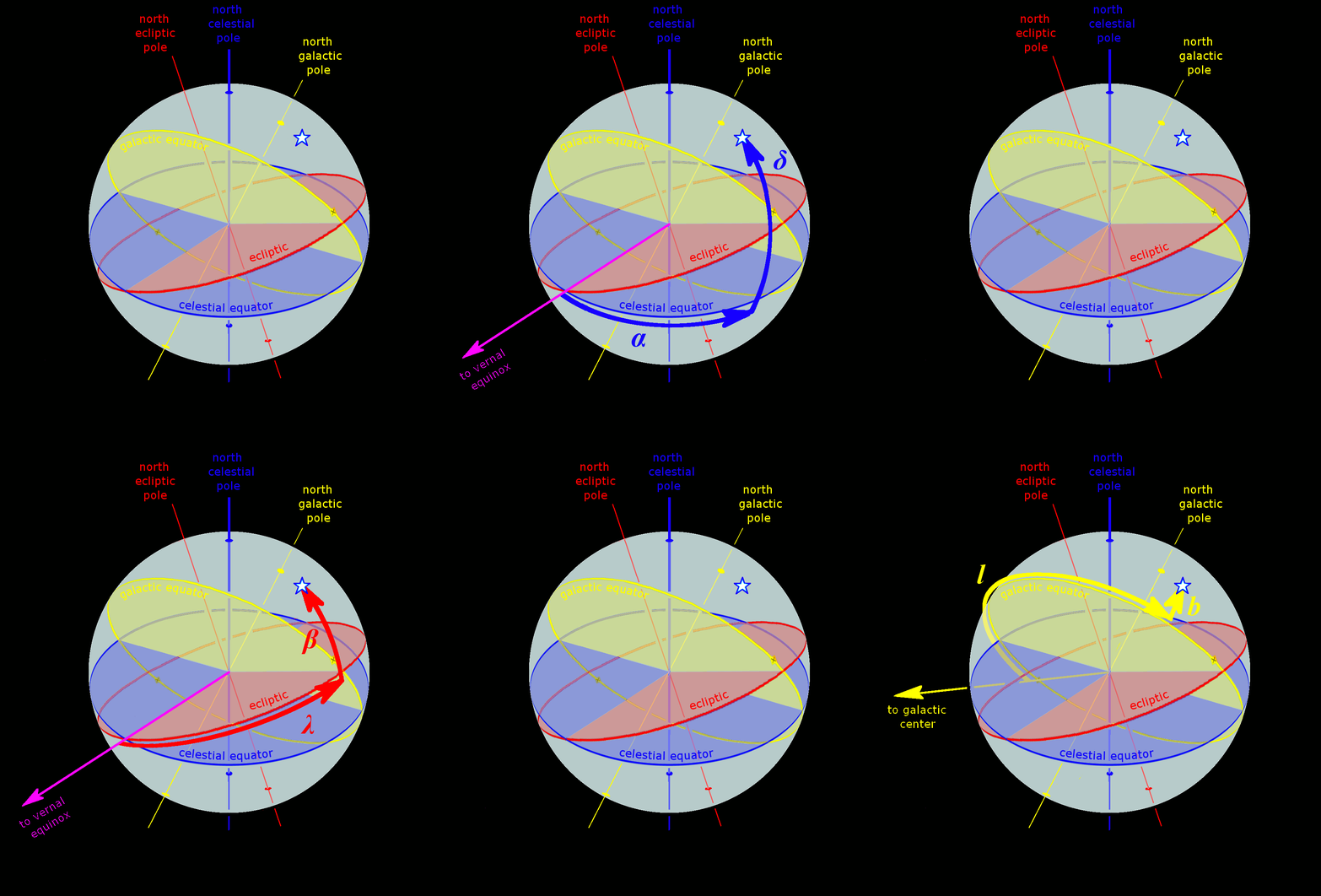 Image 2 of 5
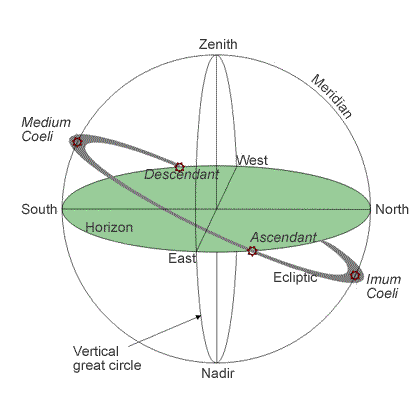 Image 3 of 5
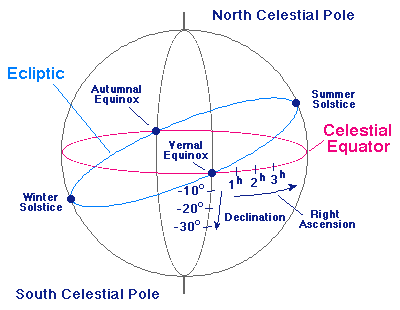 Image 4 of 5
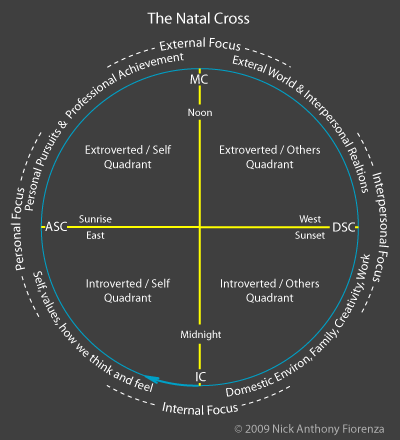 Image 5 of 5
The Natal Chart PSV is a system of celestial orbits where the movements of planets in the solar system are measured and tracked by minutes seconds and degrees along the ecliptic.
The Ecliptic is a great circle on the celestial sphere that represents the suns apparent path across the earth during the year. It defines the 12 spaces (or polarities) of the year we call zodiacs. It has 360 degrees, all celestial sphere longitudes in orbit to the sun are measured on this circle.
The Celestial Sphere is a reference point that is centered on earth, in respect to Natal Charts, its centered where you were born on the earth. All lines and planes that creates axes at intersections with each other are measured here. This includes the Celestial Equator, the Ecliptic Plane, Horizon Plane, and the Meridian Plane.
The Celestial Equator is the Earth Equator projected onto the Celestial Sphere, it shows the earths rotational field, gives us right ascension, Declination (north/south of equator) and shows the Relationship between Earth-spin and Sun-path.
The Horizon is the line in the sky that separates the sky you can see from the sky you cant see, the curve of the earth. The point where the East Horizon crosses the Ecliptic at Sun rise gives us our Treasure (ascendant) aspect and The point where the West Horizon crosses the Ecliptic at Sunset gives us our Sunset (descendant) aspects. It gives the concepts of embodiment and perception.
The Meridian is a vertical great circle on the Celestial Sphere that passes through the suns trail going due north, straight over head (zenith), due south, and straight below (Nadir). The Dream aspect (Mid heaven) is measured at the Ecliptic crossing highest the Meridian point above Earth while the Home aspect (Imum Coeli) is measured at the ecliptic crossing the deepest Meridian point below Earth.
This is a measurement of how angles and degrees of the Earth’s rotational field, orbital plane, and local horizon intersect with moving celestial bodies at one exact moment.
The Natal Chart PSV is a system of celestial orbits where the movements of planets in the solar system are measured and tracked by minutes seconds and degrees along the ecliptic.
The Ecliptic is a great circle on the celestial sphere that represents the suns apparent path across the earth during the year. It defines the 12 spaces (or polarities) of the year we call zodiacs. It has 360 degrees, all celestial sphere longitudes in orbit to the sun are measured on this circle.
The Celestial Sphere is a reference point that is centered on earth, in respect to Natal Charts, its centered where you were born on the earth. All lines and planes that creates axes at intersections with each other are measured here. This includes the Celestial Equator, the Ecliptic Plane, Horizon Plane, and the Meridian Plane.
The Celestial Equator is the Earth Equator projected onto the Celestial Sphere, it shows the earths rotational field, gives us right ascension, Declination (north/south of equator) and shows the Relationship between Earth-spin and Sun-path.
The Horizon is the line in the sky that separates the sky you can see from the sky you cant see, the curve of the earth. The point where the East Horizon crosses the Ecliptic at Sun rise gives us our Treasure (ascendant) aspect and The point where the West Horizon crosses the Ecliptic at Sunset gives us our Sunset (descendant) aspects. It gives the concepts of embodiment and perception.
The Meridian is a vertical great circle on the Celestial Sphere that passes through the suns trail going due north, straight over head (zenith), due south, and straight below (Nadir). The Dream aspect (Mid heaven) is measured at the Ecliptic crossing highest the Meridian point above Earth while the Home aspect (Imum Coeli) is measured at the ecliptic crossing the deepest Meridian point below Earth.
This is a measurement of how angles and degrees of the Earth’s rotational field, orbital plane, and local horizon intersect with moving celestial bodies at one exact moment.